
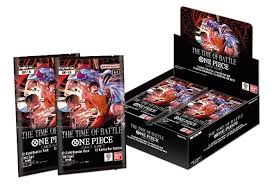
As the One Piece Card Game evolves, the OP16 expansion arrives with fresh challenges and strategic depth, captivating players eager to enhance their decks and gameplay. This guide explores everything from OP16’s narrative-driven themes to its breakthrough mechanics and top-tier strategies, offering enthusiasts comprehensive insights to refine their tactics and build competitive decks tailored for the 2026 meta.
Overview of One Piece OP16 Expansion
The OP16 expansion marks a pivotal chapter in the One Piece Card Game, introducing a wave of cards that emphasize both thematic storytelling and innovative gameplay mechanics. Rooted deeply in the ongoing saga, OP16 draws heavily on pivotal arcs such as the Impel Down and Whitebeard Pirates storylines, offering players cards that capture key characters and events with vibrant artwork and impactful abilities. This set distinguishes itself by blending aggression and control elements, challenging players to rethink familiar approaches.
One of the standout features of OP16 is its expanded focus on faction synergy, particularly around the Whitebeard Pirates and the notorious Impel Down faction. Players will notice a renewed emphasis on alliance-based strategies that capitalize on character-specific buffs and combo chains, enriching deck-building diversity. New gameplay mechanics such as enhanced rush and block abilities bring faster-paced, reactive plays into the spotlight, pushing the meta towards more interactive dueling.
Positioned as a strategic evolution from previous expansions, OP16 integrates smoothly with the existing card game timeline while shaking up the meta landscape. The release redefines deck composition standards by rewarding multi-colored builds and faction cohesion in unique ways. Consequently, veteran players are prompted to revisit their decks to leverage emergent OP16 cards' strengths, particularly those that augment DON!! resource management and tactical combat positioning. Overall, OP16’s contribution is significant as it elevates both narrative immersion and competitive depth.
Complete List of OP16 Cards by Types and Colors
The OP16 set expands the One Piece Card Game roster with a diverse array of cards categorized by six distinct colors—Red, Green, Blue, Purple, Black, and Yellow—each embodying unique tactical roles and character lineups.
Red Cards
Red cards primarily emphasize aggressive strategies and straightforward offense. Key characters include prominent combatants like Ace and Marco, whose abilities focus on rapid damage output and direct attacks. This color shines with cards that boost power while enabling rush tactics, pressuring opponents constantly. Red's traits make it an ideal choice for players who favor swift, relentless offense.
Green Cards
Green cards excel in board control and sustainability. Featuring characters such as Jinbe and members of the Sun Pirates, this color introduces defensive abilities and healing mechanisms. Green often specializes in fortifying positions through block skills and intricate timing plays, allowing players to wear down adversaries gradually while maintaining their composure.
Blue Cards
Blue embodies versatile control and tactical utility. Highlighted by characters like Law and other Heart Pirates, Blue cards bring combo potential and flexible manipulation of the game state. Their strengths lie in card draws, cost reduction, and disruption, making Blue well suited for players who prioritize balanced, adaptive gameplay.
Purple Cards
Purple cards unlock complex strategic layers with a focus on deck manipulation and advanced combos. Featuring formidable figures such as Blackbeard and strong Impel Down prisoners, Purple thrives on synergy and delayed payoff tactics. These cards often carry unique effects that trigger under specific game conditions, demanding careful planning.
Black Cards
Black represents raw power and aggressive counterplay, with characters including Whitebeard and notable Yonko allies. These cards frequently boast high power stats and brutal counterattack options, enabling players to seize momentum quickly. Black also incorporates mechanics that punish opponent missteps, making it a strategic threat.
Yellow Cards
Yellow cards introduce utility and support roles, centered on leadership figures and iconic events. Characters like Shanks and pivotal story stages appear here, enhancing resource management and providing unique buffing capabilities. Yellow acts as a glue color that amplifies faction bonuses across multi-colored decks.
In synergy, faction-based strategies arise prominently within OP16. For example, Whitebeard Pirates cards from Black and Red combine to enable overpowering rush attacks with supportive blocking roles from Green cards. Meanwhile, Impel Down-themed Purple cards mix control with unpredictability, offering surprising counters to aggressive decks. These interactions broaden tactical options, encouraging innovative deck builds and scenario-specific adjustments.
OP16 Rules and Gameplay Mechanics Explained
While the core rules of the One Piece Card Game provide a familiar foundation, OP16 introduces subtle yet impactful deviations that reshape gameplay nuances. The standard phases—leader phase, main phase, battle phase—remain unchanged, but OP16 imposes fresh considerations for resource allocation and timing.
A significant addition involves new implementations of DON!! cards, which serve as the game’s primary resource currency. OP16 refines how DON!! are earned and expended, integrating cards that allow both accelerated and strategic DON!! management. Players can now leverage DON!! not only for card deployment but also to activate enhanced effects, reinforcing the expansion’s layered decision-making.
Another novel mechanic concerns rush and block abilities associated with OP16 cards. Rush enables characters to attack immediately upon entering play, promoting aggressive tempo swings. Conversely, block allows certain cards to absorb or negate attacks during the opponent’s turn, adding a defensive counterbalance. Together, they inject more dynamism into combat, encouraging reactive and anticipatory tactics.
Card costs and power are crucial metrics, with OP16 cards featuring varying trade-offs. For example, some high-cost cards deliver exceptional power but require careful timing and sufficient DON!! reserves, while lower-cost cards contribute to early board presence without risking resource starvation. Counterplay also evolves: players must anticipate not only raw strength but also special abilities triggering from card interactions or event conditions.
Compared to previous expansions, OP16 demands a more nuanced orchestration of timing, resource management, and role specialization. Fast-paced combos capitalize on rush mechanics, while control decks benefit from precise block deployments. This evolution shifts the meta to reward foresight and adaptability, making gameplay more thrilling and strategic.
Top OP16 Deck Strategies and Combos
OP16’s card pool supports a spectrum of deck archetypes, ranging from aggressive rush decks to methodical control and intricate combo builds. Understanding these broad categories helps players select the optimal approach based on their preferred play style.
Aggro decks in OP16 thrive on relentless pressure using Red and Black cards that maximize damage output through rush and powerful attacks. Core cards like Ace and Whitebeard facilitate quick board establishment, forcing opponents into frequent defensive positions. The key combo typically involves deploying rush attackers in early turns and backing them with Black’s counterattacks, overwhelming the opponent’s defenses.
Control decks lean heavily on Green and Blue colors, leveraging block mechanics alongside disruption and card advantage. Popular builds utilize Jinbe’s defensive traits paired with Law’s capacity to manipulate the opponent’s hand or field. One synergistic combo includes playing block-based defenders followed by tactical strikes that punish opponents when they overcommit, gradually gaining control of the match tempo.
Combo decks, often incorporating Purple and Yellow cards, rely on layered effect triggers and resource cycling. Blackbeard’s ability to capitalize on opponents’ discarded cards combines with Shanks’ leader-based buffs to unleash devastating late-game sequences. A pivotal combo might unfold by chaining donor effects from DON!! acceleration cards to play multiple heavy hitters in a single turn, maximizing resource use and board presence.
Maximizing DON!! cards is fundamental in all strategies. Efficiently generating and spending DON!! in sync with card effects can create explosive plays or fortify defenses at critical moments. Players must balance DON!! investment carefully to avoid stalling or overextension. Additionally, faction bonuses—such as the Impel Down synergy boosting incapacitate or disrupt skills—offer supplementary layers that reward faction-focused deck construction.
How to Build an Effective OP16 Deck: Tips & Best Practices
Crafting a competitive OP16 deck centers on balance—integrating power, cost-efficiency, and synergy while adapting to the meta’s demands. Prioritize a mix of low to mid-cost units to maintain early board control without sacrificing late-game impact.
Choosing a strong leader card that complements your intended strategy is crucial. For aggressive builds, leaders like Ace that enhance rush capabilities work well, whereas control decks benefit from leaders providing defensive or resource-generation advantages. Supporting characters should emphasize synergy, enabling smooth combos or reinforcing a faction’s core bonuses.
Attention to card costs ensures consistent playability; a deck loaded with high-cost cards risks early depletion or slow starts, but too many low-cost units might lack power in critical moments. Incorporate DON!! accelerators judiciously to maintain a steady resource flow, facilitating timely card deployment and effect activation.
Testing and iterative refinement are key to deck consistency. Experiment with different card ratios and faction mixes, then adjust based on matchup experience or meta shifts. Utilize practice games to gauge how well your deck handles rush or control opponents and tweak your balance of offense, defense, and utility accordingly. OP16 rewards players who remain flexible and open to adaptation.
Frequently Asked Questions About One Piece OP16
What are the rarest OP16 cards? Some of the rarest OP16 cards include highly sought-after leader versions of Whitebeard and exclusive promo cards tied to special events. These cards often feature premium artwork and unique abilities valuable for collectors and competitors alike.
Which OP16 cards are best for beginners? Beginners should focus on straightforward Red and Green cards like Ace and Jinbe that offer clear, effective abilities without complex combos. These cards help new players grasp fundamental game mechanics while staying competitively viable.
How can I effectively use new OP16 mechanics? Mastering rush and block requires understanding timing and resource management. Use rush to maintain aggressive momentum early, and deploy block cards to protect key units or disrupt opponent attacks. Balancing DON!! expenditure to support these tactics is essential.
Where can I find official OP16 gameplay resources and updates? Official updates and gameplay guides are available on the Bandai Namco One Piece Card Game website and community forums. Video tutorials and meta analyses are frequently updated on platforms like YouTube and dedicated fan sites.
Mastering OP16: Elevate Your One Piece Card Game Experience
The OP16 expansion delivers a rich blend of thematic depth and refined gameplay mechanics that challenge players to innovate and strategize with renewed vigor. By understanding the distinctive traits of each color, mastering new mechanics like rush and block, and thoughtfully constructing decks that capitalize on faction synergies, players can unlock powerful combos and gain a competitive edge. Whether adopting aggressive tactics or nuanced control schemes, OP16’s diverse card pool invites experimentation and continuous improvement, enriching the overall One Piece Card Game experience.
Share:
Mega Evolution—Pitch Black: Release Date, Cards & Strategies 2026
One Piece OP17 Set Release Date, Contents, Cards & Pre-Order Guide 2026